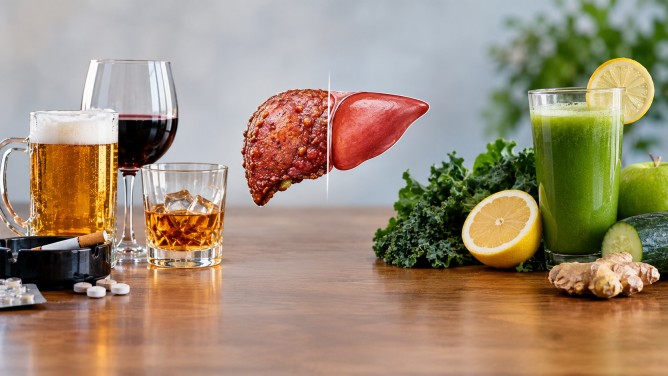
Contrary to popular belief, detox drinks and cleansing diets do not reverse alcohol-related liver damage. While the liver has an impressive capacity for self-repair, its recovery hinges on the severity of the damage and timely intervention to halt further harm. The liver’s primary function is to process substances, including alcohol, but continuous exposure can lead to inflammation and fat buildup, eventually resulting in serious conditions such as hepatitis and advanced liver disease.
As alcohol is metabolized by the liver, it produces substances that can damage liver cells. Persistent alcohol use may cause scar tissue formation, hindering the liver’s essential functions. Symptoms of liver damage, such as fatigue, nausea, reduced appetite, and jaundice, necessitate professional medical evaluation rather than self-treatment with unproven remedies.
Fibrosis, a condition where scar tissue replaces healthy liver tissue due to prolonged inflammation, can progress to cirrhosis, permanently affecting the liver’s functionality. Although some liver damage may improve with proper treatment and alcohol cessation, advanced disease stages may not be entirely reversible, emphasizing the importance of early medical intervention.
Detox drinks, often composed of lemon, herbs, and spices, are touted as solutions for cleansing the liver of alcohol-related damage. However, there is no evidence supporting their efficacy in reversing liver scarring. Instead, individuals concerned about their liver health should focus on discontinuing alcohol use, seeking medical advice, and establishing sustainable health habits.
Key steps to aid liver recovery include stopping alcohol consumption, as this is crucial to preventing further damage. Those struggling with alcohol dependency should consult a healthcare provider due to the potential for dangerous withdrawal symptoms. A balanced diet rich in vegetables, fruits, whole grains, proteins, and healthy fats supports overall health and counteracts the negative effects of alcohol on dietary habits.
Managing other health conditions like diabetes, high blood pressure, and cholesterol can also reduce additional risks to the liver. People should be wary of supplements claiming rapid detoxification or liver repair and discuss any such products with healthcare professionals, especially if liver disease is suspected.
Ultimately, liver recovery requires more than a quick fix; it involves a commitment to avoiding further alcohol-induced harm, maintaining a nutritious diet, and obtaining medical care when needed. While early liver damage can improve, advanced scarring may be permanent, highlighting the need for early action to safeguard long-term liver health.