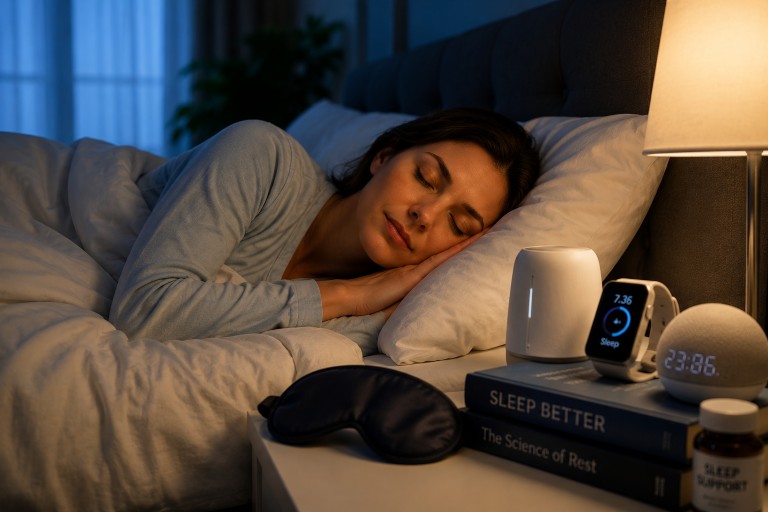
The pursuit of better sleep has fueled a burgeoning market for a variety of products aimed at enhancing rest, from smartwatches and sleep-tracking apps to specialized mattresses and cooling technology. Consumers are investing more in these innovations in hopes of achieving a more restful night. However, experts caution that while these gadgets can offer comfort and useful insights, they cannot replace the core fundamentals needed for healthy sleep. Issues such as stress, irregular schedules, excessive screen time, and untreated sleep disorders can still disrupt rest, regardless of technological advancements.
Products like comfortable mattresses, supportive bedding, and wearable devices may enhance the sleep environment and provide valuable data on sleep patterns, yet they come with limitations. Persistent problems such as stress, anxiety, and other underlying sleep issues require more than just technological solutions. Over-reliance on sleep gadgets can even lead to additional pressure, as seen in the rise of orthosomnia—an obsession with achieving “perfect” sleep that can paradoxically hinder relaxation at bedtime.
The market for sleep-related products is expanding as awareness of the importance of quality rest grows. This demand has extended beyond traditional items like mattresses and pillows, encompassing wearable trackers, sleep apps, smart beds, and wellness programs. The trend is also reflected in the popularity of wellness-focused hotels and sleep retreats, highlighting a shift towards viewing sleep as a crucial component of overall health rather than merely downtime.
While sleep trackers provide an overview of sleep patterns, they cannot address all causes of poor sleep. Factors such as work-related stress, caffeine intake, late-night screen use, and certain health conditions can all interfere with restful sleep. The trend of “sleepmaxxing”—using routines, products, diet, and technology to optimize sleep—has gained traction online. Though some practices may be beneficial, experts warn against making sleep another performance metric.
Despite the increasing number of sleep products, a foundation of healthy sleep still primarily relies on consistent habits. Regular sleep schedules, physical activity, stress management, and reducing screen exposure before bed are key to fostering restful sleep. Additionally, maintaining a quiet, dark, and comfortable bedroom environment supports relaxation. However, persistent or severe sleep issues, such as loud snoring or significant daytime fatigue, should be addressed with professional medical advice rather than solely relying on consumer products.