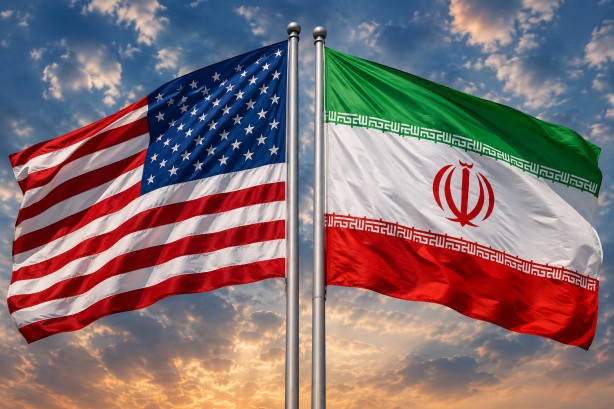
The fragile ceasefire agreement between the United States and Iran is now under significant strain following a dramatic escalation in military confrontations. The U.S. launched an extensive series of airstrikes targeting approximately 80 sites associated with Iran’s military assets. This move was justified by U.S. officials as necessary to mitigate threats to the freedom of navigation in the critical Strait of Hormuz, a vital waterway for global oil shipments. The airstrikes were a response to Iran’s aggression towards three commercial vessels navigating through this strategic channel.
In retaliation, Iran attacked U.S. military bases in Bahrain and Kuwait using missiles and drones. Furthermore, Iran unveiled a new military strategy declaring that it would view the United States and its allies in the region as equivalent targets in any future hostilities. This announcement signals a potential shift in Iran’s military posture, heightening the risk of broader regional conflict.
President Donald Trump has cautioned that the U.S. is ready to take further military measures if Iran persists with its aggressive actions. However, he expressed optimism that these tensions would not escalate into a long-term war. Despite these assurances, the recent events have significantly undermined the ceasefire, which was originally designed to lay the groundwork for comprehensive discussions on Iran’s nuclear ambitions, the easing of sanctions, and establishing a lasting security framework in the Strait of Hormuz.
The dispute over the Strait of Hormuz remains a central issue, with Iran asserting its right to oversee shipping activities in the area. Conversely, the United States contends that Iran’s recent attacks on commercial vessels breach international maritime laws, thus justifying the U.S. military’s retaliatory actions. This ongoing standoff has led to a surge in global oil prices, reflecting concerns about possible disruptions to one of the world’s most crucial energy transit routes.