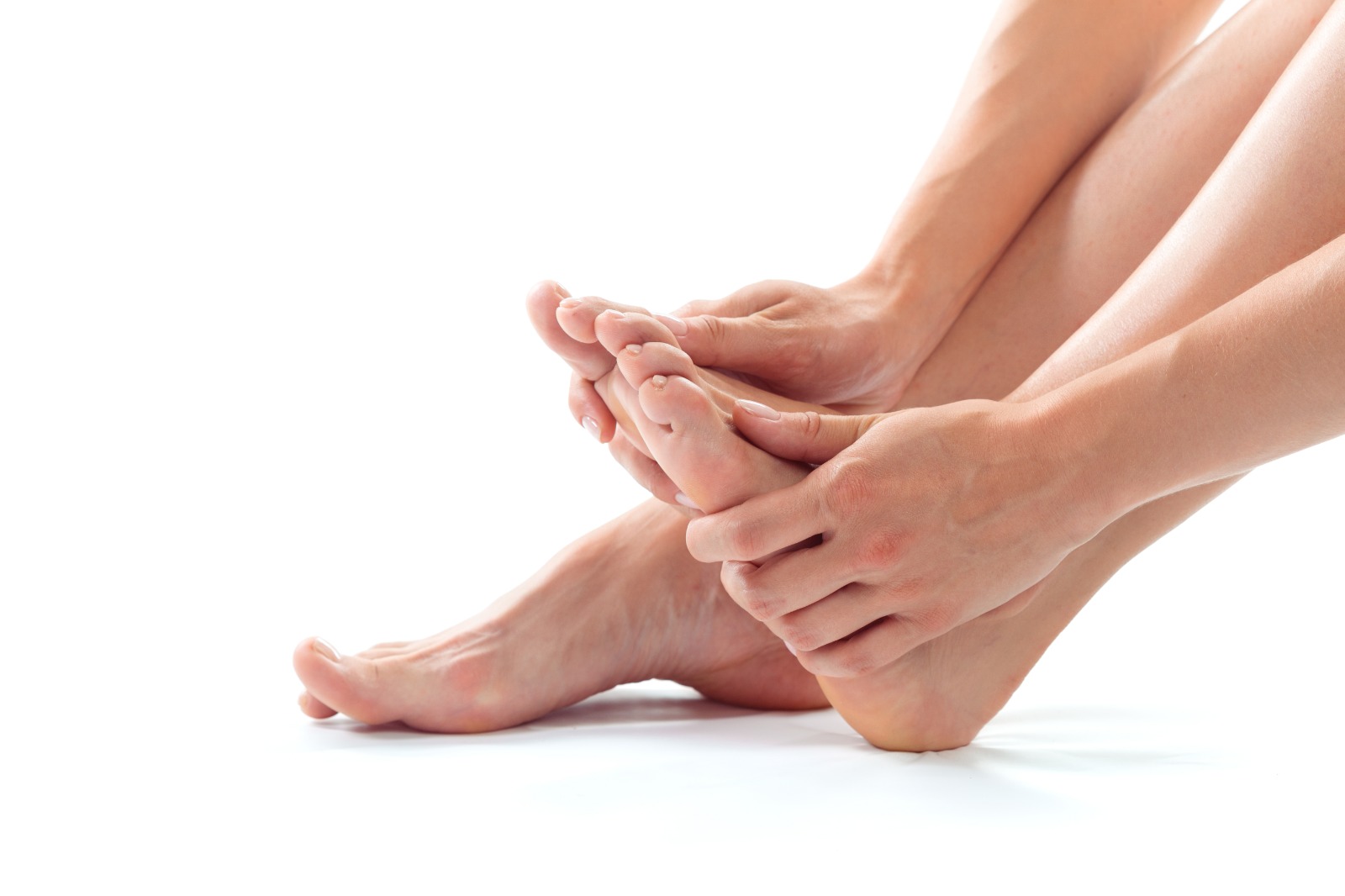
The puffy ankles that develop during long flights or extended car journeys are so universally experienced that they have become almost a rite of passage for frequent travelers. Most people accept this as a minor inconvenience, wiggle their toes, walk up and down the aisle when possible, and give the swelling no further thought. But for a subset of travelers, particularly those with underlying venous risk factors, journey-related leg swelling is a warning that deserves considerably more attention.
The mechanism of travel-related leg swelling involves the interplay between immobility and venous physiology. The venous return system in the legs depends critically on muscle movement — specifically, the rhythmic contraction of the calf muscles during walking, which physically squeezes blood upward through the deep venous system. During prolonged sitting in cramped travel conditions, this pumping mechanism is essentially disabled. Blood pools in the lower extremities, venous pressure rises, and fluid shifts into the tissues.
For most healthy travelers, this produces only temporary, mild swelling that resolves quickly once mobility is restored. But for individuals whose venous systems are already compromised — by varicose veins, previous clotting episodes, underlying clotting disorders, obesity, or advanced age — immobility during travel creates conditions that can trigger deep vein thrombosis. The increased blood viscosity common at altitude, combined with dehydration from cabin air, further raises the risk.
Travel-associated DVT carries the same risks as DVT developing in other contexts — the potential for a clot to break free and cause a pulmonary embolism. Several high-profile deaths from travel-related pulmonary embolism over the decades have raised public awareness of what has been called “economy class syndrome,” although the risk is present regardless of where on the aircraft a passenger is seated. The key risk factor is prolonged immobility, not seat location.
Preventive measures for high-risk travelers include compression stockings, regular in-seat ankle exercises, deliberate hydration, and in some cases — for very high-risk individuals — medical anticoagulation prescribed by a physician. For anyone who develops sudden leg swelling, pain, or warmth during or shortly after a long journey, medical evaluation is urgent. The journey-related context should be communicated clearly to the treating physician, as it directly affects the differential diagnosis and management approach.