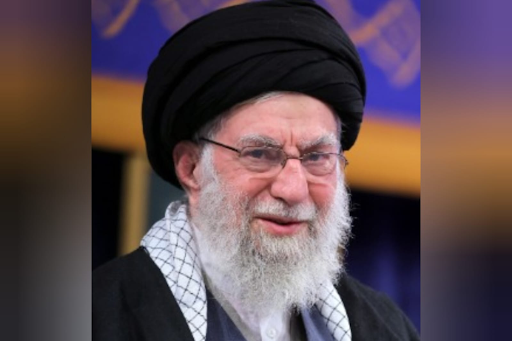
When Ayatollah Ali Khamenei was selected to succeed the founder of the Islamic Republic in 1989, even he acknowledged his limitations. “Based on the constitution, I am not qualified for the job,” he told the clerical assembly that chose him, adding that many would not accept his religious authority. It was a moment of either genuine humility or political theater — but it set the stage for one of the modern Middle East’s most consequential and controversial leaderships.
Khamenei had been an activist cleric in the 1960s and 1970s, deeply shaped by the revolutionary ideals of that era. As Supreme Leader, he prioritized those ideals above economic pragmatism, national interest, or the aspirations of Iran’s growing urban middle class. The result was a country that grew increasingly isolated internationally and increasingly divided internally.
His decision to suppress the Green Movement in 2009 was a turning point. The crackdown that followed the disputed reelection of President Ahmadinejad drew massive public protests and introduced the phrase “death to the dictator” into common usage. From that moment, Khamenei’s relationship with a significant portion of Iranian society became openly adversarial.
He did preside over moments of genuine strategic success. Iran’s influence across the Middle East expanded dramatically during his tenure, and the country resisted enormous external pressure including decade-long sanctions campaigns and multiple rounds of military threats. For his supporters, this resilience represented the fulfillment of the revolution’s promise.
But in his final years, that strategic edifice crumbled. Israel’s military campaigns dismantled Iran’s key regional allies, the June airstrikes humiliated the country’s defenses, and domestic protests revealed the depth of popular discontent. The journalist who accidentally said “death to Khamenei” on live television may have captured, in a single unguarded moment, the true measure of his legacy.