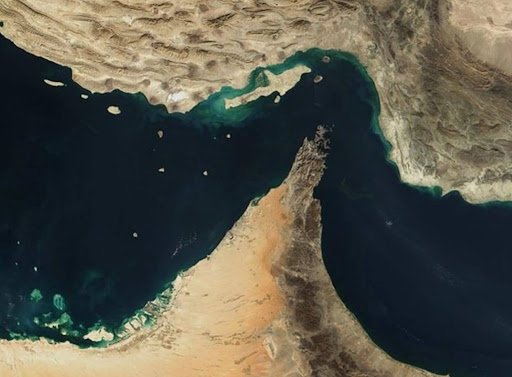
European Union foreign affairs ministers are considering whether to extend the Aspides naval mission to the Strait of Hormuz, as the Iran-imposed blockade of the critical waterway deepens and President Trump’s calls for allied warships draw cautious or negative responses from most governments. The Aspides mission currently consists of three vessels from France, Italy, and Greece and operates against Houthi threats in the Red Sea — but expanding it to the Persian Gulf would require political consensus that remains elusive, with Germany’s foreign minister publicly expressing doubt about its effectiveness.
Iran has blockaded the strait since late February, when it retaliated against US-Israeli airstrikes by closing off the passage through which one-fifth of the world’s oil exports normally flows. Tehran has made explicit threats against any tanker headed for American, Israeli, or allied ports, calling such vessels legitimate war targets. Sixteen tankers have been struck and Iran has raised the prospect of mining the strait — a move that would dramatically increase the danger faced by any naval escort force operating in the waterway.
Trump’s appeal for allied warships was delivered via Truth Social, with the US president targeting the UK, France, China, Japan, South Korea, and all oil-importing nations as potential coalition partners. France was most direct in rejecting the call, with its defence minister firmly ruling out any deployment during active hostilities. President Macron has spoken of a future defensive escort mission, but only for after the fighting’s most intense phase ends. The UK indicated it was exploring options including mine-hunting drone technology but stopped short of military pledges.
Japan and South Korea have responded with carefully calibrated language that stops well short of commitment. Japan’s ruling party official noted that the law didn’t prohibit naval deployment but described the decision as one requiring extreme caution. South Korea said it was monitoring the situation closely and examining all available measures to protect its energy security and citizens. The economic toll is growing by the day, with oil prices surging globally and supply chains in Asia and Europe being stress-tested by the sudden loss of access to Gulf energy routes.
China, which is simultaneously a close ally of Iran and a top consumer of Gulf crude, is pursuing a diplomatic rather than military strategy. Beijing is reportedly engaged in conversations with Tehran about allowing oil tankers to transit the strait safely, though no agreement has been publicly confirmed. The Chinese embassy in Washington stated that China would strengthen communication with regional parties and contribute constructively to de-escalation. US officials, including Energy Secretary Chris Wright, expressed hope that China’s unique position of influence would help facilitate a diplomatic resolution to the crisis.