A tense standoff in the South China Sea turned into a physical incident on Tuesday when a Chinese and a Philippine vessel collided near Scarborough Shoal. Beijing was quick to accuse the Philippine ship of a deliberate ramming, adding a dangerous charge to an already volatile situation where Chinese ships had used water cannons against a flotilla from the Philippines.
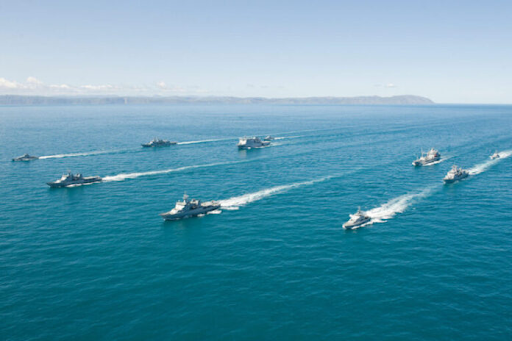
The confrontation saw more than ten Philippine government ships approach the contested maritime feature. In response, the Chinese Coast Guard took action to block their path, deploying powerful water cannons. The subsequent collision has become a major point of contention, with China’s official statements blaming Manila for orchestrating a “provocative and egregious” event.
The timing of the clash is particularly inflammatory, occurring less than a week after China unilaterally designated the area a “national nature reserve.” This was perceived by the Philippines and its allies as a clear sovereignty grab. Manila, which calls the shoal Bajo de Masinloc, was preparing to challenge the declaration legally and diplomatically before this latest flare-up.
The Scarborough Shoal is a critical flashpoint in the broader disputes over the South China Sea, a waterway essential for global trade and rich in natural resources. China’s sweeping claims are a source of constant friction with neighboring countries that have their own internationally recognized maritime rights.
The international community is responding with a chorus of concern and support for the Philippines. A senior US lawmaker condemned China’s coercive tactics, a view echoed by the UK and Australia. Canada’s diplomatic mission in Manila made a particularly sharp statement, opposing any attempt to use environmental pretexts to seize control of disputed territories.