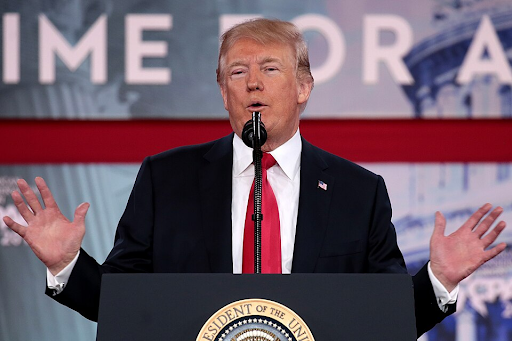
Donald Trump has signaled a major change in US energy policy by suggesting that sanctions on some oil-producing nations could be lifted. This announcement contributed to a sharp drop in Brent crude prices, which had hit a four-year high earlier in the week. The President’s move is seen as a direct attempt to reassure investors who have been rattled by the ongoing war involving Iran.
The heart of the crisis is the Strait of Hormuz, a passage that is vital for 20% of the world’s daily oil and gas needs. For the last week, the strait has been effectively closed, leading to a massive backlog of tankers and a spike in prices. Iran’s Revolutionary Guards had previously vowed to stop all oil from leaving the region, a threat that sent Brent crude surging toward $120.
Trump’s new stance follows a conversation with Vladimir Putin and a previous decision to allow Indian refiners to purchase Russian oil temporarily. By waiving certain sanctions, the administration hopes to fill the supply gap created by the conflict in the Middle East. Trump stated that these measures are intended to be temporary until the shipping lanes are fully secured and operational.
The spike in energy costs has had a ripple effect across the globe, leading to a series of emergency protocols in various countries. In Bangladesh, universities have been closed to conserve electricity, while in Thailand, the government has stepped in to cap fuel prices. These steps illustrate the severe economic pressure that high oil prices can place on national governments.
As the conflict enters a more stable phase, the international community is discussing ways to permanently secure the Persian Gulf trade routes. France has indicated it may lead an effort to provide naval escorts for commercial ships once the most intense fighting is over. This plan is aimed at preventing future price shocks and ensuring a steady flow of energy to the world market.